Buy MHRB Powder
Buy MHRB Powder
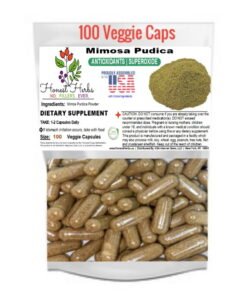
Mimosa Hostilis Root Bark
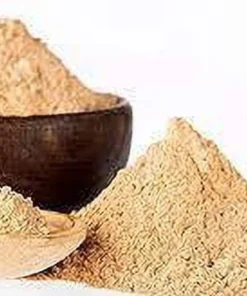
Mimosa Hostilis Root Bark
Mimosa Hostilis Root Bark
What Is Mimosa Hostilis Root Bark?
Mimosa Hostilis Root Bark (also known as MHRB) comes from the inner root bark of the Mimosa tenuiflora tree, originally native to regions of Brazil and Mexico.
The plant has been valued for centuries in traditional cultures for cosmetic, craft, and botanical purposes. The root bark contains naturally occurring compounds known for their strong coloring properties and versatile usability.
Explore Our Product Variants
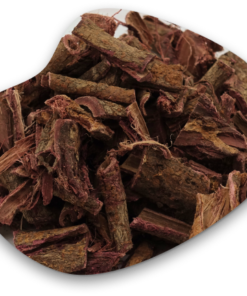
Whole Root Bark
Ideal for traditional processing, craftwork, and individual preparation. Whole bark pieces retain their natural structure and are perfect for users who prefer authentic plant material.
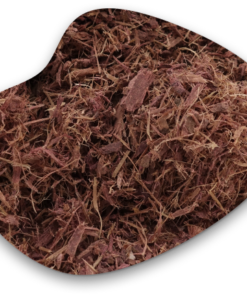
Shredded Root Bark
Practical and versatile – shredded bark is excellent for natural dyeing processes, topical applications, and smaller production quantities. The prepared form simplifies dosing and processing.
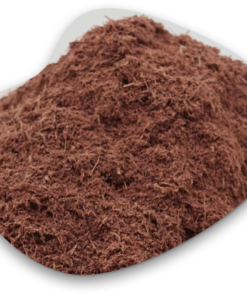
Root Bark Powder
Our finely ground powder allows for efficient use and faster extraction. It is ideal for precise dyeing projects, skincare formulations, or botanical blends.
Available Sizes & Packaging
We offer various packaging sizes to meet every need:
-
Sample sizes (50g, 100g)
-
Standard sizes (250g, 500g)
-
Bulk quantities (1kg, 2kg, 5kg, 10kg+)
Whether you are a hobby user or a bulk buyer – you will find the right quantity here.
Why Choose Our Mimosa Hostilis Root Bark?
Premium Quality
We source our products exclusively from experienced growers and collectors to ensure consistent quality and purity. Each batch is carefully processed to meet high standards.
Ethical & Sustainable Sourcing
Our Mimosa Hostilis Root Bark is responsibly harvested, with a strong focus on environmental protection and fair collaboration with local communities. Sustainability and climate-conscious processes are central to our approach.
Versatile Botanical Applications
From deep natural pigments to traditional topical uses and botanical research purposes – Mimosa Hostilis Root Bark stands out for its wide range of applications and cultural significance.
Common Applications & Areas of Use
Natural Dyeing
Create deep violet, red, and brown tones for textiles, leather, paper, and creative projects. Due to its high tannin content, Mimosa Hostilis Root Bark is especially popular in sustainable dyeing methods.
Skincare & Cosmetics
Traditionally, the root bark is used in salves, soaps, and lotions. It is valued for its regenerative and skin-supporting properties.
Cultural & Botanical Interest
Mimosa Hostilis has a long cultural history in various indigenous traditions. Today, it is appreciated worldwide by botanical enthusiasts for its unique plant properties.
Useful Information
Storage: Store in a cool, dry place protected from light.
Use: Dyeing and extraction processes are typically carried out through soaking or heating.
Skin Test: For topical applications, perform a patch test beforehand.
Buy Mimosa Hostilis Root Bark Now
Benefit from secure checkout, responsible sourcing, and a wide selection within our Mimosa Hostilis Root Bark category. Choose between whole bark, shredded form, or fine powder – in exactly the quantity you need.
Frequently Asked Questions About Mimosa Hostilis Root Bark
What is Mimosa Hostilis Root Bark?
Mimosa Hostilis Root Bark refers to the inner root bark of the Mimosa tenuiflora tree, a shrub or tree native to South and Central America.
The root bark is known for its high content of natural tannins and flavonoids, which enable strong color results and versatile applications. It is traditionally used for natural dyeing, botanical cosmetics, ethnobotanical studies, and craftwork.
What is Mimosa Hostilis Root Bark used for?
Mimosa Hostilis Root Bark is used for:
-
Natural dyeing: intense red to violet tones for textiles, leather, wool, and other plant fibers
-
Cosmetics & natural care: as a raw material for soaps, creams, balms, and masks – traditionally valued for its soothing and skin-supporting properties
-
Botanical research: suitable for ethnobotanical or academic studies
-
Crafts & decoration: for example in DIY projects using plant-based materials
Is Mimosa Hostilis Root Bark legal?
The legal status varies worldwide. In many countries, the root bark itself is legal as long as it is not used to extract or manufacture controlled substances. The extraction of chemical components such as DMT is illegal in most countries and may have legal consequences. Always check the local laws and regulations in your country before purchasing.
Is Mimosa Hostilis Root Bark suitable for consumption?
No. Mimosa Hostilis Root Bark is not intended for human consumption. It is sold exclusively as a botanical raw material for external, craft, or scientific applications.
What product forms are available and how do they differ?
The main variants are:
Whole bark: unprocessed pieces – ideal for traditional processing, laboratory extraction trials, or DIY projects.
Shredded bark: classic form for easier use in dyeing or crafts.
Finely ground powder: especially easy to dose, suitable for natural dyeing processes and cosmetic creative projects.
Each form has its own practical benefits – the choice depends on your intended use.
How should I store Mimosa Hostilis Root Bark?
Proper storage significantly extends quality and usability. Keep the bark or powder in a cool, dry place protected from light in an airtight container. Direct sunlight and moisture should be avoided, as they may affect color and plant compounds.
How long does Mimosa Hostilis Root Bark last?
With optimal storage (dry, dark, and airtight), the root bark can maintain its color and natural properties for 12–24 months or longer. Signs of moisture, mold, or unpleasant odors indicate reduced quality.
What properties and compounds does it contain?
Mimosa Hostilis Root Bark contains natural tannins, flavonoids, and other plant compounds valued for intense natural coloration and traditional skincare applications. These compounds are particularly concentrated in the inner bark.
What colors can be achieved with Mimosa Hostilis Root Bark?
Natural tones depend on fabric type, pH level, temperature, and processing method. Typical results range from red and brown to violet shades, especially on plant fibers such as cotton, linen, or silk.
How can I identify high-quality Mimosa Hostilis Root Bark?
A high-quality product typically features:
-
Intense deep red to violet color
-
Earthy scent without foreign odors
-
Uniform texture (especially for powder)
-
Transparent origin and quality information from the supplier
Can Mimosa Hostilis Root Bark be used safely?
Yes – for external, botanical, and craft applications, it is safe when used properly. When handling powder, wearing a mask or gloves is recommended to avoid dust contact and inhalation, especially in larger quantities.