
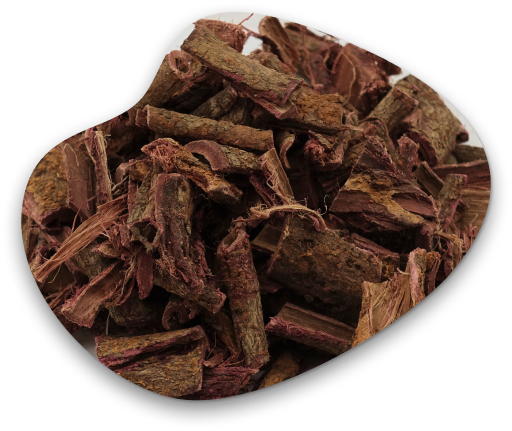
Mimosa Hostilis Root Bark 3kg
Price range: 450,00 € through 630,00 €
Buy Mimosa Hostilis Root Bark 3kg in Europe
The Mimosa Hostilis Root Bark (3 kg) is a high-quality botanical root bark from the Mimosa tenuiflora plant – carefully harvested, gently dried, and processed from the inner root bark.
This 3-kilogram package provides an ideal quantity for craftsmen, cosmetic manufacturers, textile artists, researchers, and natural wellness enthusiasts across Europe and the EU. The bark is responsibly sourced and free from additives or chemical fillers.
Origin & Quality
Botanical origin: Mimosa tenuiflora (also known as Jurema Preta) – a plant native to tropical regions of South and Central America.
Quality features:
-
100% pure inner root bark
-
Sustainably and ethically harvested
-
Free from pesticides, chemical additives, or fillers
-
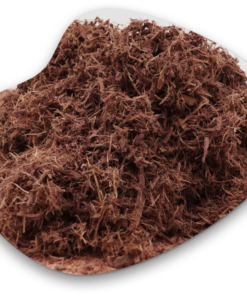
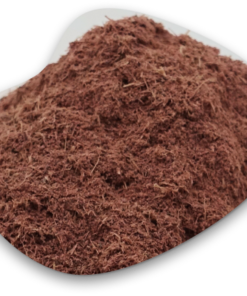
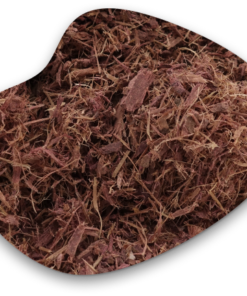
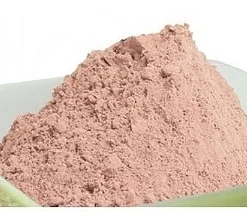
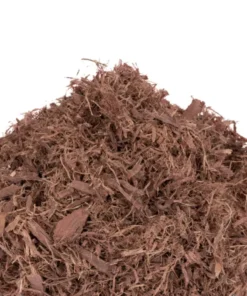
Available in different processing forms (chips, shredded, powder)
This natural root bark is carefully selected to ensure maximum purity and consistent quality – ideal for versatile applications in natural and creative projects.
Properties & Composition
The inner root bark of Mimosa Hostilis contains a variety of plant compounds, including:
-
Tannins: Natural polyphenols that provide excellent color properties and antibacterial characteristics.
-
Flavonoids & antioxidants: Support regeneration and skincare applications.
-
Organic compounds: Various plant substances valued in traditional uses.
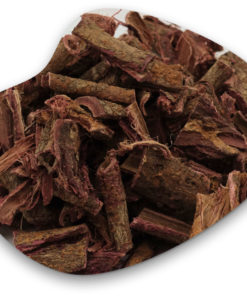
The characteristic dark red to brown coloration of the bark reflects its natural tannin and dye components.
Versatile Applications
Natural Cosmetics & Skincare
Mimosa Hostilis Root Bark is traditionally used in natural skincare formulations, for example:
-
Production of soaps, balms, and skin creams
-
As an antiseptic and regenerative ingredient in salves and lotions
-
To support skin affected by irritation, minor wounds, or burns
The natural plant compounds may contribute to maintaining healthy-looking skin and are especially popular in handmade natural cosmetic formulations.
Natural Dyes & Textile Design
Thanks to its high tannin content, Mimosa bark is an excellent source of plant-based dyes:
-
Dyeing cotton, wool, leather, and other natural fibers
-
Producing intense red, brown, or violet tones
-
Ideal for textile artists and sustainable dyeing projects across Europe
These natural color results are not only visually appealing but also environmentally friendly compared to synthetic dyes.
Research & Ethnobotany
The root bark is also used in scientific and ethnobotanical studies due to its rich content of plant compounds that have been valued in traditional cultures for centuries.
Usage & Important Notes
Usage tips:
-
For dye applications, it is commonly extracted in hot water with suitable fixatives (e.g., vinegar or alum).
-
In cosmetic formulations, it should be used sparingly and always tested for skin compatibility.
Important safety notes:
-
Not intended for internal consumption.
-
Use the product responsibly and in accordance with local regulations within Europe or the EU.
-
Legal status for botanical bark materials may vary by country – please check national regulations before purchasing.
Why Choose 3kg Mimosa Hostilis Root Bark?
This 3-kilogram package is perfect for:
-
Craftsmen and textile artists who require larger quantities of natural dyes
-
Cosmetic and soap manufacturers who prefer plant-based ingredients
-
Research and educational projects needing sufficient raw material
-
Sustainability-focused businesses using organic, ethically sourced botanical materials
Mimosa Hostilis Root Bark 3kg – Available in Europe
The Mimosa Hostilis Root Bark 3kg is a versatile, natural product with traditional roots and modern applications. Whether used in natural cosmetics, as a plant-based dye, or for scientific purposes, this high-quality bark offers a reliable, sustainable, and premium foundation for your projects across Europe.
Frequently Asked Questions
What exactly is Mimosa Hostilis Root Bark?
Mimosa Hostilis Root Bark is the inner root bark of the Mimosa tenuiflora plant, traditionally used in South and Central America. It is dried, processed, and offered in raw botanical form.
What can the 3 kg root bark be used for?
The root bark is commonly used for:
-
Natural textile and leather dyeing
-
Natural cosmetics and skincare preparations
-
Botanical studies and ethnobotanical research
-
Art and craft projects
Is Mimosa Hostilis Root Bark legal?
In many countries across Europe and the EU, the root bark itself is legal to possess, sell, and use – especially for decorative, cosmetic, or artisanal purposes.
However, the active compound DMT (N,N-Dimethyltryptamine) naturally present in the bark is legally controlled in many countries. Extracting, isolating, or consuming DMT is illegal in many jurisdictions.
Can I consume the bark directly?
No. This botanical bark is intended exclusively for external, artisanal, or research-related applications. It must not be used for internal consumption.
Is Mimosa Hostilis Root Bark legal in Europe?
In many European countries, the raw bark is legally available as long as it is not marketed for psychoactive use or for DMT extraction. Legal details may vary nationally, so it is advisable to check local regulations before purchasing.
What are the skincare benefits?
Traditionally, products containing Mimosa bark compounds are valued for their natural tannins, antioxidants, and skin-soothing properties. Many users report supportive effects for irritated skin and regenerative applications, especially in soaps, balms, or lotions.
How should I store the root bark?
-
Store in a cool, dry, and dark place
-
Keep in an airtight container
-
Protect from direct sunlight
This helps maintain quality and color intensity over time.
Are there any risks in use?
Yes. Sensitive skin may experience irritation. Always perform a patch test before first use. Extra caution is recommended for individuals with skin conditions or allergies.
What is the difference between powder and shredded bark?
-
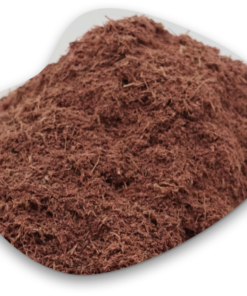
Powder: Easier to dose and incorporate into formulations
-
Shredded bark: More traditional and less processed
Both forms offer the same natural properties and differ only in processing and intended use.
How can I recognize high-quality Mimosa Hostilis Root Bark?
High-quality bark typically shows:
-
Intense reddish-brown coloration
-
Uniform, clean processing
-
No foreign matter or fillers
-
Pleasant, natural scent
Always look for transparent origin information and ethical sourcing practices.
| Qty | Chips, Crushed, Mixed, Pulver |
|---|
Be the first to review “Mimosa Hostilis Root Bark 3kg”
Related products
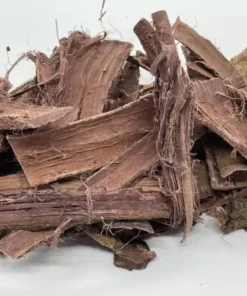
Buy MHRB Powder
Mimosa Hostilis Root Bark
Buy MHRB Powder
Buy MHRB Powder
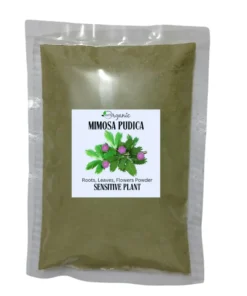
Mimosa Hostilis Root Bark
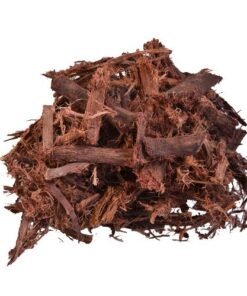
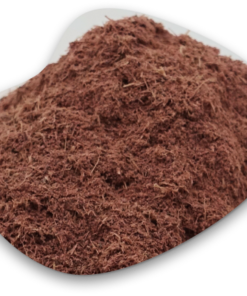
Buy MHRB Powder
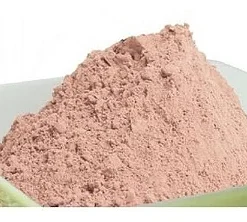
Buy MHRB Powder
Buy MHRB Powder
Reviews
There are no reviews yet.